
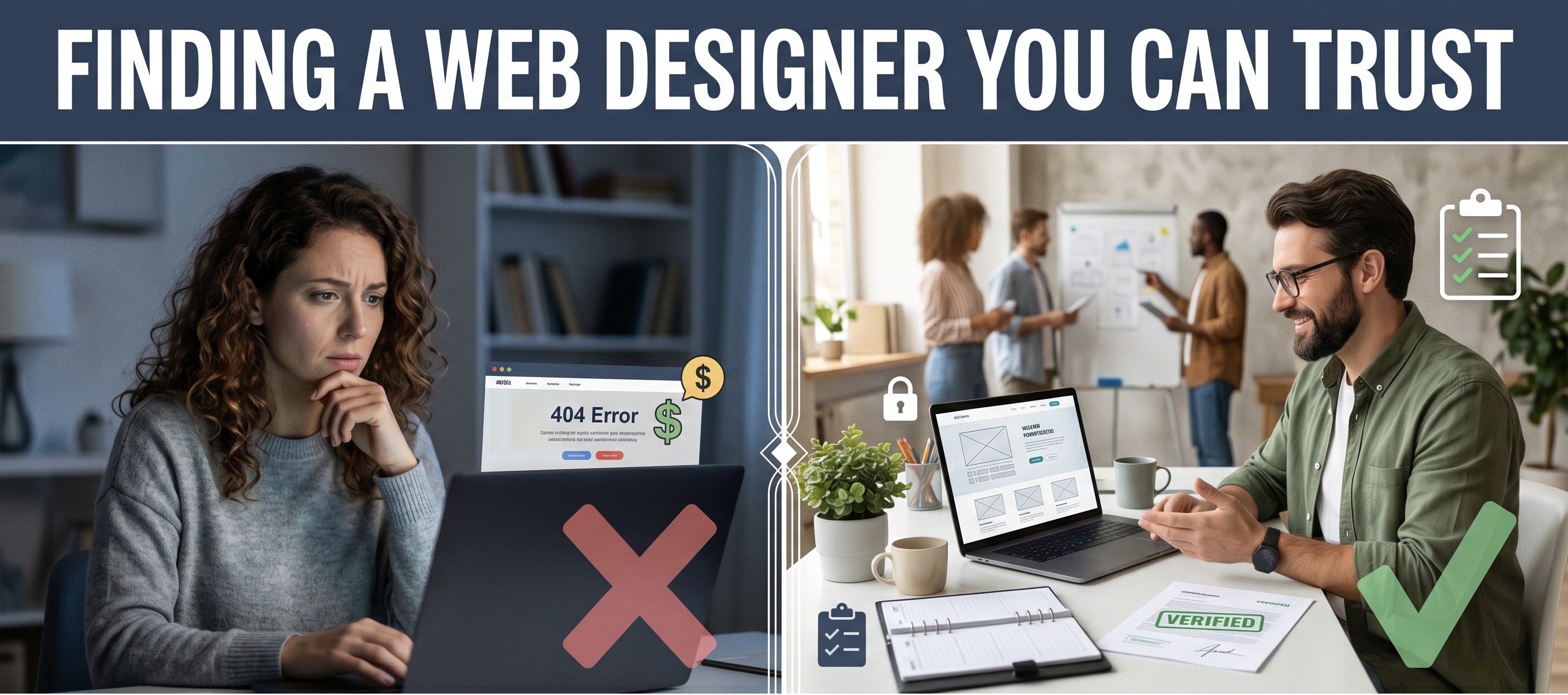
Finding a reliable web designer is crucial for any business seeking a strong online presence. The right designer can elevate a website’s aesthetics and functionality, while a bad choice can lead to frustration and financial loss. This article outlines essential steps for identifying trustworthy web designers. It covers research methods, communication practices, and ways to avoid common scams, ensuring a secure and successful partnership throughout the design process.
Understanding the Challenges in Web Design
Embarking on the journey of web design presents several hurdles that can potentially derail the process. Awareness of these challenges is crucial for businesses seeking to establish a credible online presence.
Common Pitfalls in Hiring Web Designers
When selecting a web designer, numerous pitfalls can lead to disappointing outcomes. These common issues include:
- Lack of Transparency: Many designers fail to provide clear information regarding their processes, timelines, and pricing. This ambiguity can result in misunderstandings and unmet expectations.
- Inadequate Communication: Effective communication is vital throughout the design process. A designer who does not respond promptly or fails to clarify aspects of the project may indicate potential problems.
- Inconsistent Quality: Not all designers maintain the same standard of work. Some may showcase stunning portfolio pieces while delivering mediocre results for actual projects, leaving clients dissatisfied.
- Overpromising: It’s common for designers to overpromise on features or timelines to secure a client, only to underdeliver once the work begins, which can lead to frustration.
Importance of Trusting Your Web Designer
Trust plays a pivotal role in the designer-client relationship. When working with a web designer, confidence in their skills and commitment to your project is essential. A trustworthy designer values transparency and will keep clients informed every step of the way.
Further elements that underline the importance of trust in this relationship include:
- Understanding Client Needs: A reliable designer makes an effort to fully grasp the client’s vision and requirements. This understanding is fundamental for creating a website that aligns with the client’s goals.
- Accountability: A designer who takes responsibility for their work builds trust. If issues arise during the project, a good designer will address them promptly and professionally.
- Post-Launch Support: Trust also extends beyond the launch date. Designers who offer ongoing support and maintenance demonstrate a commitment to the long-term success of the project, reinforcing trust in their capabilities.
Recognising and addressing these challenges is key to navigating the landscape of web design successfully. Being informed about common pitfalls and fostering a trusting relationship with designers can lead to better outcomes for any web project.
Researching Potential Web Designers
Thorough research is essential when selecting a web designer. It significantly increases the chances of finding a professional who meets expectations and maintains ethical practices. Investigating the right aspects can prevent future complications.
Investigating Designer Experience
Understanding the experience of a potential web designer is a critical step in the selection process. A designer with a strong background is generally more capable of handling unexpected challenges that may arise during a project. Look for designers who have been in the industry for a considerable time and have a proven track record of successful projects.
Reviewing Portfolios and Past Work
A designer’s portfolio showcases their skills and creative approach. Evaluating previous work allows for better insight into their capability and style. It is crucial to ensure the portfolio reflects a diverse range of projects, which demonstrates versatility and adaptability.
Assessing Active Websites and Functionality
- Examine the websites in the portfolio to confirm they are live and operational.
- Check for functionality issues such as slow loading times, broken links, or unresponsive design.
- Consider the user experience; a well-designed site should be intuitive and easy to navigate.
Evaluating Reviews and Testimonials
Reviews can reveal a designer’s reputation in the industry. Scrutinising feedback can provide a comprehensive view of their client relationships and overall service quality. A high number of positive reviews often indicates reliability and professionalism.
Identifying Genuine Feedback
- Seek out reviews from various platforms to gather a holistic perspective.
- Pay attention to the details in the testimonials; vague praise may not paint an accurate picture.
- Look for consistency in the feedback, which can highlight recurring strengths or weaknesses.
Establishing Communication and Expectations
Effective communication and clear expectations are crucial when collaborating with a web designer. Establishing these elements early on can significantly enhance the project’s progress and minimise misunderstandings.
Assessing Initial Communication
The way a designer communicates during the initial stages can provide critical insights into their professionalism. Observing how promptly and clearly they respond to inquiries sets the groundwork for the relationship.
Signs of Professionalism and Clarity
- A timely response to emails or messages showcases dedication and organisation.
- Clarity in explaining their design process and answering questions reflects a comprehensive understanding of their work.
- Willingness to engage in discussions about project goals demonstrates a collaborative mindset.
A designer who communicates effectively will likely adopt the same approach throughout the project. Look for those who simplify complex ideas without patronising, ensuring all parties involved have a mutual understanding.
Setting Clear Contractual Expectations
Creating a contract serves to formalise the relationship, outlining what is expected from each party. Contracts should not be seen merely as legal formalities; they are essential documents that can prevent future conflicts.
Defining Scope, Cost, and Timeline
- The contract should explicitly define the project scope to avoid any ambiguity about what will be delivered.
- Inclusion of cost details ensures all parties are aligned on financial expectations, encompassing any potential additional charges.
- A timeline with key milestones helps track progress and keeps the project on schedule.
These contractual details are vital for establishing mutual accountability and provide a framework for addressing any discrepancies that may arise during the design process. A transparent approach to contractual obligations fosters trust and cooperation, paving the way for a successful outcome.
Recognising and avoiding scams is crucial in the realm of web design. With the number of fraudulent activities on the rise, understanding warning signs can save considerable time and money.
Recognising and Avoiding Scams
Identifying Warning Signs of Fraudulent Activities
Spotting potential scams early can prevent falling prey to dishonest web designers. Several warning signs may indicate a fraudulent activity. Being aware of these signs allows one to take action before it is too late.
The Disappearing Designer Tactic
A common tactic employed by scammers involves accepting payment for a project and subsequently vanishing. Often, this occurs after a deposit is received, leaving the client in a lurch with no completed work. To mitigate this risk, it is advisable to limit upfront payments. Payments should be kept reasonable and based on completed milestones to ensure accountability.
Unfulfilled Promises and Suspicious Collaborations
Another red flag is when designers make grand promises during the initial engagement but fail to deliver. Clients may find themselves facing missed deadlines or subpar quality that contradicts earlier assurances. It can be wise to have all project specifications clearly detailed in the contract, ensuring that both parties have a mutual understanding of expectations.
When working with designers from distant locations, it is essential to research their backgrounds. Some may pose as reputable freelancers but have no proven track record. Gathering information about previous collaborations can reveal valuable insights into their reliability.
Safeguarding Against Potential Scams
There are several strategies to protect oneself from potential scams in web design. Implementing these best practices can enhance security when hiring a designer.
- Using Secure Payment Methods: Opt for payment platforms that offer buyer protection. Such services ensure that funds can potentially be recovered if the designer does not deliver on their end of the agreement.
- Conducting Thorough Research: Familiarise oneself with average costs in the industry. This helps to set realistic budget expectations and can alert one to designers who quote significantly lower prices, which may indicate a lack of quality or intention.
- Establishing Clear Design Objectives: Before engaging a designer, it is critical to define specific project goals. By being clear about needs and expectations, it limits the opportunity for misunderstandings that could lead to fraudulent practices.
- Trusting Your Instincts: If a situation feels off during any part of the design process, it is prudent to reassess the collaboration. Feeling uneasy about communication or the designer’s transparency should prompt a review of alternatives.
Best Practices for a Successful Web Design Process
Implementing effective strategies is vital to achieving a successful web design process. This section outlines important best practices to ensure the project runs smoothly and meets its objectives.
Planning and Setting Project Goals
The foundation of a successful web design project lies in thorough planning. It is essential to define clear project goals at the outset. Identifying what the website should achieve helps keep all parties aligned throughout the design process.
Goals can encompass various aspects, including:
- Increasing brand awareness
- Generating leads or sales
- Improving user engagement
- Enhancing the overall customer experience
Once these goals are established, they can serve as a benchmark for measuring the effectiveness of the design as it progresses. Regular check-ins can help ensure that the project remains on track and that the goals are being met.
Understanding Deliverables and Deadlines
Having a mutual understanding of deliverables and deadlines is crucial to avoid misunderstandings. Clear communication around what is expected and when it is due can mitigate many potential issues.
Establishing a timeline with specific milestones aids in tracking progress. Each stage should outline “deliverable” concepts, giving a tangible sense of achievement as the project moves forward. This system encourages accountability and facilitates smoother transitions between phases.
Reviewing Initial Designs
The initial design phase offers an opportunity for feedback and adjustments. Designers should present early concepts that align with the previously established goals. This allows for discussions surrounding design elements, functionality, and user interface before committing to the final versions.
Engaging in constructive dialogue during this stage is vital. Stakeholder feedback can help refine the project, ensuring it meets everyone’s expectations prior to the launch.
Launching and Maintaining Your Website
The culmination of the web design process is the site launch. It is crucial to ensure that everything functions as intended upon going live. This includes all links, forms, and interactive elements that contribute to user experience.
Post-launch, ongoing maintenance should be discussed proactively. Websites require regular updates, security checks, and content refreshes to remain relevant and effective over time. Establishing an ongoing relationship with the designer can offer peace of mind that these aspects will be managed promptly and professionally.
Ensuring Long-Term Success with Your Web Designer
Establishing a fruitful and enduring relationship with a web designer is crucial for ongoing success. This section outlines key strategies for fostering a reliable partnership and ensuring continual improvement through regular feedback.
Building a Reliable Partnership
To create a stable and trustworthy partnership with a designer, mutual understanding and respect are essential. Both parties should be aligned in their vision for the project and share common goals. Trust is built over time, and it is vital to maintain open lines of communication to address any issues that may arise.
Regular meetings can help solidify this partnership. Scheduling check-ins allows discussions on progress, upcoming tasks, and any necessary adjustments. During these meetings, both the designer and the client can voice their concerns and celebrate milestones achieved.
- Encourage open dialogue to foster trust.
- Set regular updates to discuss progress and next steps.
- Address issues promptly to prevent misunderstandings.
Continual Evaluation and Feedback
A successful collaboration relies on constructive feedback throughout the design process. Providing clear and specific input helps the designer understand expectations and areas for improvement. It is important to frame feedback positively, focusing on how changes can enhance the project.
Establishing key performance indicators (KPIs) for the project can facilitate effective evaluations. These metrics can cover various aspects, including design quality, functionality, and user engagement. Reviewing these KPIs regularly forms a basis for meaningful discussion regarding the project’s direction.
- Provide specific and actionable feedback.
- Use KPIs for consistent evaluation of progress.
- Celebrate successes and milestones to inspire continued effort.
By fostering a reliable partnership and committing to ongoing evaluation, both the web designer and the client can work together effectively. This collaborative environment not only enhances the quality of the work produced but also ensures that both parties feel valued throughout the design journey. Sustaining this relationship lays the groundwork for future projects and promotes a deeper understanding of each party’s expectations and capabilities.
Additional Tips for Securing a Trustworthy Web Designer
Securing a trustworthy web designer requires careful consideration and proactive measures. The following tips can assist in ensuring a smooth working relationship with the designer and provide additional layers of protection against potential issues.
Using Secure Payment Methods
Choosing the right payment method is crucial when hiring a web designer. It is advisable to use secure, recognised platforms that offer buyer protection. This will safeguard the investment in case of disputes or unsatisfactory work.
- Credit cards often provide additional consumer protection compared to other forms of payment.
- Services like PayPal offer dispute resolution options, adding another layer of security.
- Avoid paying large sums upfront; consider smaller payments linked to specific milestones in the project.
Conducting Price Research and Comparisons
Researching the market rates for web design services helps in setting realistic expectations regarding pricing. This can also help identify potential red flags associated with unusually low prices.
- Gather quotes from multiple designers to get an idea of the average costs in your area.
- Be wary of offers that seem too good to be true as they may indicate a lack of quality.
- Consider the scope of services offered; ensure that the pricing reflects the quality and level of expertise required for your project.
Setting Clear Design Objectives
Clearly defining the goals and objectives of the web design project sets a solid foundation for cooperation. This clarity aids both the designer and the client in staying aligned throughout the process.
- Establish a detailed brief that outlines specific features and functionalities desired in the website.
- Discuss the target audience and how the design should cater to their needs.
- Encourage open discussions to revise objectives as the project progresses, adapting to any emerging ideas or feedback.
Trusting Your Instincts
Intuition plays a vital role in the decision-making process. Recognising when something feels off can be important in avoiding potential pitfalls with a designer.
- If communication feels strained or unprofessional, it may be worth reevaluating the partnership.
- Listen to personal gut feelings about the designer’s attitude and responsiveness.
- Take time to reflect on the overall vibe of the interactions; comfort and confidence in the designer’s abilities are critical to a successful collaboration.



Leave A Comment